

How to Rehydrate Freeze Dried Food Without Losing Texture or Flavor
The pieces are super light. They are incredibly crunchy.
They look exactly like normal food, but they weigh almost nothing at all. You feel like a total space scientist.
But then a few months pass by. You open up your beautiful pantry stash to make a real meal.
This is the exact moment where almost every beginner completely tanks their dinner. They think rehydrating is simple.
They assume you just dump some hot water over the food and call it a day.
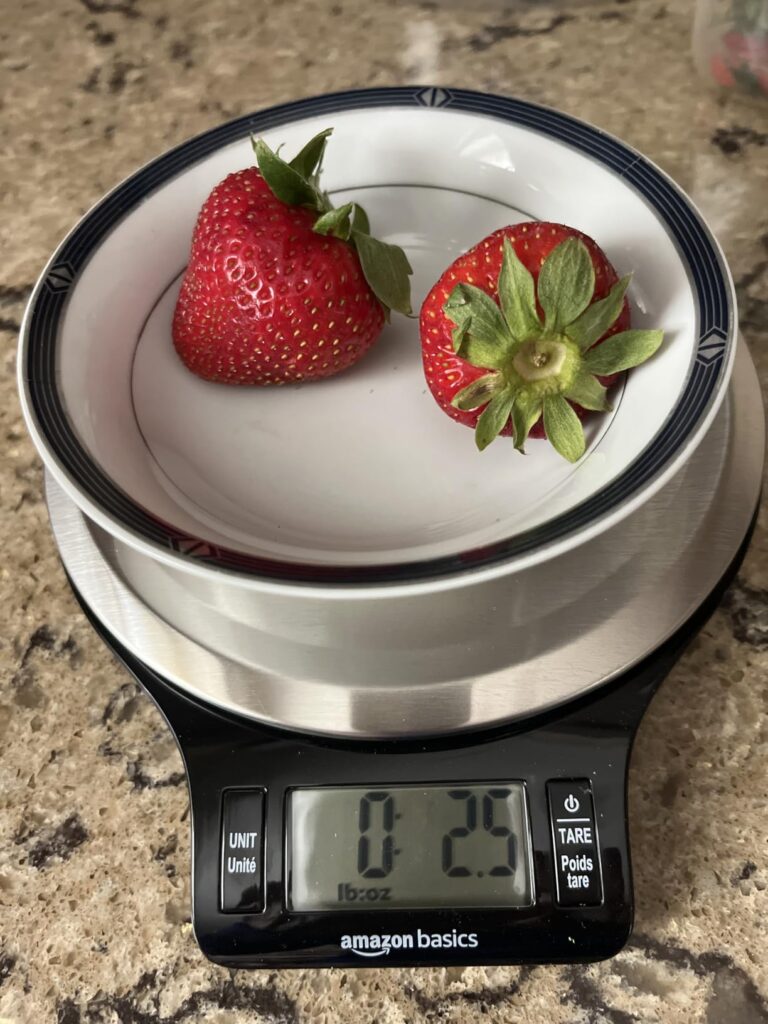
Precision Digital Kitchen Scale
That is a massive mistake.
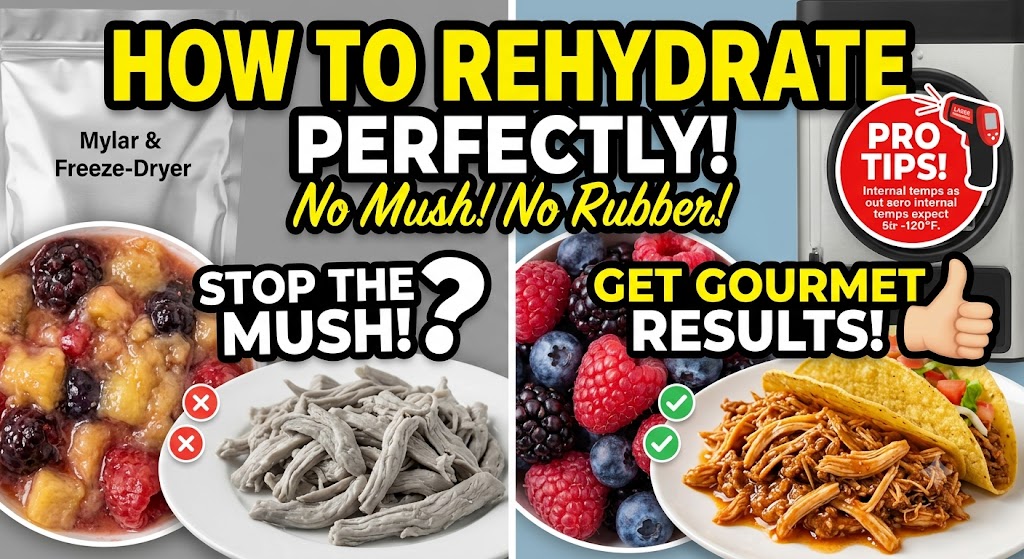
If you do that, you are gonna end up with a sad bowl of mushy fruit or rubbery, tough meat. It is incredibly disappointing.
I spent months ruining perfectly good ingredients in my kitchen before I finally figured out the exact science of bringing this food back to life.
It turns out there are a few simple tricks you need to know to keep that fresh texture and explosive flavor intact.
Let’s break down the ultimate strategy so you can stop eating soggy survival food and start eating gourmet meals out of your stash.
Read also :Is Freeze Dried Fruit Healthy? The Truth About Nutrients and Sugar
The Science of the Reverse Sponge
How the Food Cellular Structure Works
Alright, so what is actually going on inside that dry piece of food? Why is it so sensitive to how you add water?
When a freeze dryer processes food, it drops the temp to -40°F and uses a heavy vacuum to pull out the ice.
This leaves millions of microscopic empty holes where the water ice crystals used to sit. The cell walls of the food are still totally intact.
The Danger of Over-Flooding
Think of each piece of dry food like a tiny, fragile glass palace. It wants to suck up liquid fast.
But if you hit it with too much boiling water all at once, you will literally crush those delicate cell structures.
The walls collapse inside the food. The liquid pools up awkwardly, leaving you with a soggy outer layer and a hard, dry core right in the middle.
To get a perfect bite, you have to let the moisture seep back into those tiny tunnels slowly and gently.
The Rehydration Strategy: Matching Liquid to the Food Group
I love to test out different kitchen hacks thoroughly to see what actually works.
Here is my quick guide on how different foods react to various liquid styles when you bring them back to life:
| Food Category | Best Liquid to Use | Ideal Liquid Temp | Average Wait Time | The Final Texture Goal |
| Meats (Beef, Chicken) | Low-sodium broth or stock | 140°F to 160°F | 5 to 8 minutes | Juicy, tender, and chewable |
| Fruits (Berries, Mangoes) | Pure cold water or fruit juice | 40°F (Fridge cold) | 3 to 5 minutes | Plump, firm, and sweet |
| Vegetables (Corn, Peas) | Warm water or direct soup broth | 120°F (Warm) | 5 minutes | Crisp snap with fresh color |
| Full Meals (Stews, Chili) | Boiling water | 212°F (Hot boiling) | 8 to 10 minutes | Rich, thick, and steaming |
| Dairy (Milk, Raw Eggs) | Pure ice-cold water | 35°F (Ice cold) | 2 to 3 minutes | Smooth liquid, zero lumps |
See how different they all are? If you use hot boiling water on a delicate strawberry, it will turn into a hot pink pile of baby food mush instantly.
But if you use cold water on a thick piece of cooked steak, the fat won’t soften up at all. You will be chewing on a piece of greasy leather.
You must always match your liquid style and temperature to the exact type of food you are working with.
The 5-Lb Soggy Chicken Disaster: My Most Annoying Mistake
Look, I gotta tell you a quick story about a massive blunder I made so you don’t ruin an expensive batch of protein like I did.
Last winter, I wanted to make a giant batch of chicken tacos for a football night with my friends. I opened a massive Mylar bag containing 5 lbs of freeze dried shredded chicken breast.
The meat was totally bone-dry and beautiful. I got lazy and decided to speed up the process.
I dumped all five pounds of dry chicken into a giant metal pot. Then, I poured about 2 gallons of rolling boiling water straight over the top.
I figured more heat and more water would make it plump up super fast.
It was a complete disaster.
The Rubbery Eraser Effect
-
The Mistake: I used way too much water, and the temperature was way too high at a full 212°F.
-
The Reaction: The boiling water instantly shocked the outer chicken proteins, causing them to lock up tight like a vise grip.
-
The Flop: The outside became slick and slimy, which completely blocked the water from reaching the inside tunnels of the meat strands.
When my friends took a bite, the chicken was incredibly watery on the outside but had a hard, chalky, stringy crunch in the center. It felt like chewing on rubber pencil erasers.
We couldn’t even eat it. Five pounds of premium chicken breast went straight into the trash bin. Total waste of forty bucks and a whole afternoon of cooking prep.
The Ziploc Steaming Hack
Learn from my pain. Never drown your meat in a massive lake of boiling liquid.
Instead, use my favorite real-world hack: The Ziploc Steaming Method.
Put your dry meat inside a gallon-sized zip-top bag. Add just a tiny splash of warm broth—roughly 1.5 cups of liquid per 1 lb of dry meat.
Zip the bag shut completely to trap the steam inside. Let it sit on your counter for 8 minutes while flipping the bag upside down every two minutes.
The trapped steam distributes the moisture perfectly and evenly to the core of every single strand. You get insanely juicy, tender meat every single time.
Step-by-Step: The Foolproof Rehydration Protocols
Ready to bring your pantry stash back to life perfectly? Follow these exact steps for the best results across the board.
The Flawless Fruit Protocol
-
The Cold Bath: Never use warm water on fruits. Place your dry berry or mango slices into a shallow bowl.
-
The Ice Spray: Spritz them lightly with ice-cold water using a clean spray bottle, or pour cold fruit juice over them very slowly.
-
The Fridge Rest: Put the bowl inside your fridge for 5 minutes. The cold environment allows the fruit sugars to pull the water back in naturally without melting the structure.
The Gourmet Meat Protocol
-
Trim the Size: Make sure your meat pieces are under 0.5 inches thick before you start. Huge chunks are a nightmare to rehydrate evenly.
-
Use Rich Broth: Don’t use plain water for meat! Water washes away the natural savory flavors. Always use a warm beef, chicken, or vegetable stock to pack maximum flavor back into the cells.
-
The Paper Towel Blot: Once the meat sits in the steamed bag for 8 minutes, dump it onto a paper towel. Blot off the excess pooling surface liquid before throwing it into your taco pan or skillet. This locks in a perfect sear.
The Instant Veggie Protocol
-
The Soup Dump: If you are making a stew, do not rehydrate your veggies separately. Just toss them completely dry straight into your bubbling pot during the last 5 minutes of cooking.
-
The Steam Lift: They will naturally suck up the seasoned soup juices and plump up perfectly while adding a massive hit of fresh color to your dish.
Pro-Level Liquids to Boost Your Flavor Game
If you wanna be a total kitchen genius, stop using plain tap water altogether. You can add an insane amount of premium flavor by switching up your liquids.
The Apple Juice Pork Chop Hack
When you are rehydrating freeze dried pork chops or pork shreds, use a 50/50 mix of warm water and organic apple juice.
The pork cells will drink up the sweet apple flavor notes instantly. When you sear them in a hot pan with butter later, the sugars caramelize beautifully. It tastes like a fifty-dollar restaurant meal.
The Milk-Powder Berry Blast
If you are preparing a bowl of crunchy freeze dried strawberries or bananas for breakfast, use freshly mixed whole milk instead of water.
The berries will absorb the creamy dairy fat. It turns the milk a gorgeous light pink color and creates an instant gourmet cereal bowl that kids go completely wild for.
Frequently Asked Questions
Can you rehydrate freeze dried food with cold water?
Yeah, you totally can! Cold water works perfectly for almost everything, especially fruits and dairy. The only downside is that dense meats and full meals will take about double the time to soften up completely if the water is cold.
Why does my rehydrated food taste so bland?
If it tastes flat, it means you used way too much water and literally washed the natural flavors right out of the food matrix. Always use the minimal amount of liquid needed, and try to use broths, juices, or seasoned waters instead of plain tap water.
How long does food last once it is rehydrated?
The exact second you add water back into freeze dried food, the magic clock resets. It is now officially fresh food again. You must treat it exactly like fresh groceries. Eat it immediately, or store it in a sealed container inside your fridge and finish it within 3 days max.
The Verdict: Master the Pour, Enjoy the Feast
At the end of the day, learning how to freeze dry your food properly is only half the journey. Knowing how to bring it back to life with the perfect texture and flavor is what separates the true kitchen pros from the amateurs.
It stops you from eating gummy, rubbery survival meals and opens up a whole new world of lightweight, hyper-nutritional cooking options.
I’m prepping a big bowl of my steamed taco chicken right now to load up the dinner plates for my crew tonight.
Trust me on this one. Watch your water temperatures, use rich broths instead of plain water, use the Ziploc steaming trick for your meats, and give it a shot this week. Your dining routine is never gonna be the same.