
Freeze Dried Chicken: How to Pre-Cook and Preserve for Emergency Kits
Honestly, meat is the biggest headache when you’re building a real survival stash.
You can stock up on all the rice and beans you want. Those are easy.
But living off plain carbs gets old incredibly fast. You need real protein to keep your energy up.
But how do you store chicken for twenty-five years without electricity? You can’t just shove it in your chest freezer.
One big storm knocks out the power grid for a few days, and boom. Your expensive meat turns into a foul-smelling mess.
Canning chicken is an option, but let’s be totally real. Canned chicken gets incredibly soggy and tastes like rubbery mush.
A few months ago, I decided to tackle this problem head-on with my home freeze dryer.
Digital Meat Thermometer
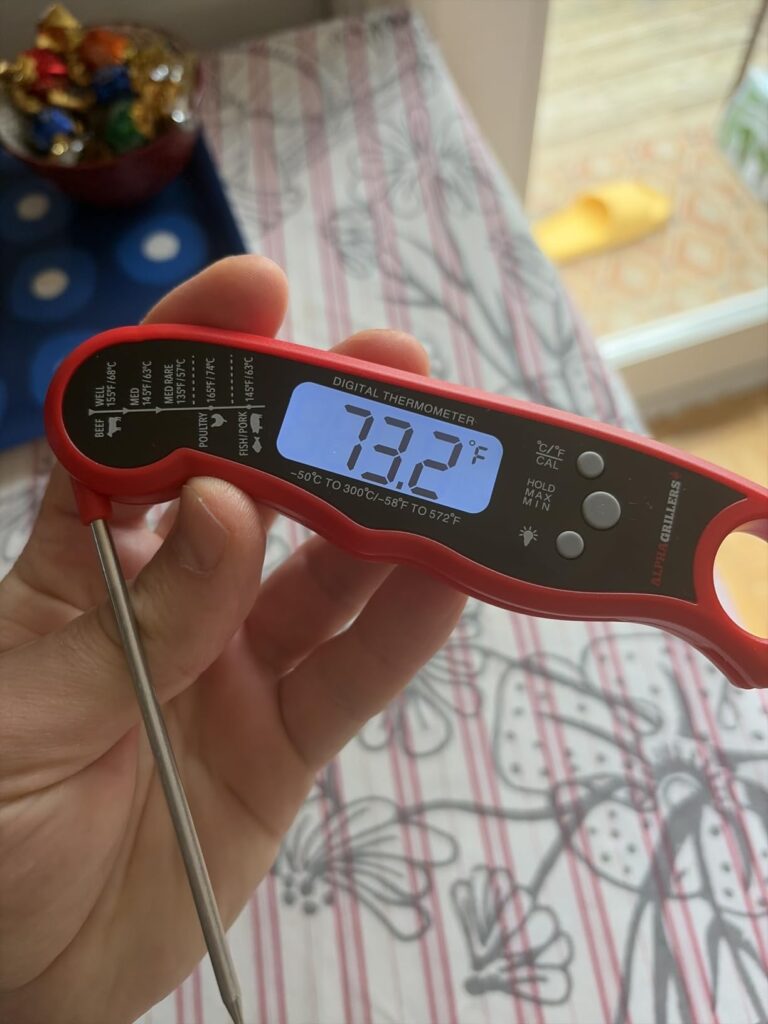
I wanted to freeze dry a massive batch of pre-cooked chicken breast.
I wanted something lightweight, totally shelf-stable, and ready to go into my family’s emergency go-bags.
It took some serious trial and error to get the texture right. Meat can be tricky if you don’t prep it correctly.
But after a few runs, I completely locked down the ultimate method.
Let’s break down exactly how to cook, season, and dry chicken safely so you can pack your survival kits with premium protein.
The Golden Rule: Why Pre-Cooked is Always Better
The Safety Factor
Alright, so you can actually freeze dry raw chicken. The machine handles it just fine.
But for an emergency kit, raw meat is a terrible idea.
Think about a real-world emergency scenario. You might be short on clean water, or you might not have a stove to cook on.
If you pack raw freeze dried chicken, you have to rehydrate it and then cook it completely to kill off any hidden bacteria.
Read also :Is Freeze Dried Fruit Healthy? The Truth About Nutrients and Sugar
The Convenience Factor
Pre-cooked chicken solves that problem completely. The extreme cold of the freeze dryer drops the chamber down to -40°F.
It locks the already cooked meat in time by turning the water into ice.
Then the vacuum pump sucks the ice out as a gas vapor, removing 99% of the moisture.
When you want to eat it later, you just add warm water. It plumps back up into juicy, ready-to-eat chicken breast instantly. No extra cooking required.
The Survival Protein Showdown: Comparing Your Options
I like to analyze my food preservation hobby projects thoroughly before I fill up my pantry shelves.
Here is how home freeze dried chicken stacks up against the other styles you can store:
| Protein Style | Total Water Content | Average Shelf Life | Weight Metric | Preparation Needed Later | The Taste Reality |
| Grocery Canned Chicken | High (Packed in heavy water) | 1 to 3 years max | Very heavy to carry | None (Open and eat) | Soggy, metallic, and salty. |
| Store Frozen Breast | Around 75% wet moisture | 6 to 12 months max | Medium weight | Must thaw and cook fully | Good, but needs constant power. |
| Home Freeze Dried | Less than 1% moisture | 15 to 25 Years | Light as a feather | Just add warm water | Perfect, juicy, and fresh. |
See what I mean? The freeze dried version completely wins the battle for emergency kits.
It loses all that heavy, sloshy water weight. A whole pound of chicken ends up weighing just a few ounces.
You can throw three full chicken dinners into a backpack and you won’t even notice the weight. Plus, it won’t spoil if the bag sits in a hot car trunk.
The 10-Lb Rubbery Cube Catastrophe: My Most Costly Field Mistake
Look, I gotta tell you a quick story about a massive blunder I made so you don’t ruin a whole weekend of work like I did.
When I first decided to stock up on survival chicken, I went to a wholesale club and bought a massive 10-lb bulk pack of fresh chicken breasts.
I brought it home and threw the whole batch into a giant pot of boiling water. I boiled them until they were fully cooked.
Then, I took the hot breasts out and used a chef’s knife to chop them into giant, thick cubes that were almost 1.5 inches thick.
I piled them high on my metal trays and started a standard automatic meat cycle.
It was an absolute disaster.
The Gummy Core Surprise
-
The Mistake: I cut the chicken chunks way too thick, and I boiled the meat until it was tough as leather.
-
The Run Time: The machine ran for a brutal 34 hours straight because thick meat holds onto water like a clamp.
-
The Flop: When the buzzer went off, the outside felt dry. But when I broke a big cube open, the very center was still cold and gummy.
The core never dried out completely because the outer layer was too dense. I tried to save them by running the machine for another 4 hours, but the texture was already ruined.
When I tried to rehydrate a piece later, the center stayed hard like a pencil eraser. I had to dump all ten pounds straight into the garbage. Total waste of forty bucks and a lot of electricity.
The Shredding Hack
Learn from my pain. Never cut chicken into big, thick cubes for long-term storage.
Instead, use a pressure cooker or boil the chicken slowly until it is incredibly tender.
Then, use two forks to shred the meat completely along the natural grain.
Shredded chicken creates thousands of tiny pathways for the water vapor to escape cleanly during the vacuum phase. It dries out twice as fast and rehydrates perfectly in seconds without any hard spots.
Step-by-Step: The Foolproof Survival Chicken Protocol
Ready to build your own high-protein emergency stash? Follow these exact steps to get a flawless, safe batch every single time.
-
Trim All the Fat: This is rule number one for meat safety. Trim off every single bit of yellow fat, skin, or gristle from your chicken breasts. Fat and oil do not freeze dry well because fat doesn’t freeze into a proper ice crystal. Any leftover grease will go rancid on the shelf and ruin your whole bag within a year.
-
Cook Until Tender: Poach the chicken breasts in plain water or a low-sodium chicken broth until the internal temperature hits 165°F degrees. Keep the seasonings super light at this stage. You can always add more spices when you rehydrate it later.
-
Shred the Meat: Let the cooked meat cool down for ten minutes. Use your hands or forks to shred it into thin, uniform strands. Keep the thickness under 0.25 inches.
-
The Paper Towel Blot: Spread the shredded meat out on a thick bed of paper towels. Press down firmly to soak up any excess surface moisture before loading the trays.
-
Space Out Evenly: Lay the shredded chicken flat on your metal trays. Leave a little bit of breathing room between the strands so the air can circulate. Do not pack it down into a solid block.
-
The Deep Pre-Freeze: Put your loaded trays straight into your kitchen deep freezer at 0°F for at least 12 hours. Freezing the meat rock-solid beforehand saves a ton of cycle time and protects your vacuum pump oil from getting contaminated with water vapor.
-
Dial In Custom Settings: Slide the frozen trays quickly into your freeze dryer. Bypass the standard settings. Set your final dry shelf temperature max to 115°F degrees. Keeping the heat low ensures you don’t scorch the proteins and keep the meat tender.
-
Run a Long Cycle: Let the machine run for about 28 to 30 hours total.
-
The Snap Test: Pull a tray out when the timer stops. Pick up a thick strand from the center and snap it. It should break cleanly like a dry twig and look like white chalk inside. If it feels bendy, run it for another 2 hours.
How to Pack Your Chicken for the 25-Year Long Haul
The moment your machine finishes its cycle, the clock starts ticking. Freeze dried meat loves to suck moisture straight out of your kitchen air.
If you leave your fresh chicken sitting out on a damp day, it will go soft, absorb humidity, and spoil fast. You gotta package it right immediately.
-
Get Heavy Mylar Bags: Do not use regular plastic sandwich baggies or clear plastic storage tubs. Air leaks right through them over time. Use thick, 7-mil Mylar pouches that completely block out all light and oxygen.
-
Add an Oxygen Absorber: Drop one 300cc oxygen absorber packet into the bottom of each gallon-sized bag before pouring your chicken inside. This tiny packet eats up any leftover air inside the bag so the meat stays factory-fresh.
-
Heat Seal the Edge: Use a household hair straightener or a flat iron set to 375°F degrees. Clamp down firmly on the open top edge of the Mylar bag for four seconds to melt the plastic together into a permanent, airtight seal.
-
Store in Plastic Totes: Keep your sealed Mylar pouches inside heavy, snap-top plastic storage totes in a cool, dark closet. This protects the fragile foil bags from getting punctured by sharp objects or chewed on by mice.
Frequently Asked Questions
How do you rehydrate freeze dried chicken?
It is incredibly simple. Dump your shredded chicken into a bowl, pour hot or boiling water over the top, and let it sit for about 5 to 8 minutes. The porous meat will suck up the water like a giant sponge. Drain off any excess liquid, and your chicken is completely ready to use in tacos, soups, or chicken salads.
Can you freeze dry chicken that was cooked with sauce?
I highly recommend sticking to plain chicken. Sauces like BBQ or buffalo are loaded with heavy sugars, oils, and fats that can prevent the meat from drying out completely. It is way safer to dry the meat plain and stir your favorite sauces in when you rehydrate the meal years down the road.
How many fresh breasts equal a pound of freeze dried chicken?
Because chicken loses about 70% of its weight when you pull the water out, the math is pretty wild. One pound of completely dry, shredded chicken is roughly equal to about 3.5 to 4 lbs of fresh chicken breasts from the grocery store. It is a massive amount of concentrated nutrition in a tiny space.
The Verdict: Complete Peace of Mind
At the end of the day, building a reliable emergency food supply can feel like a lot of extra work and a big investment upfront.
But knowing that you have shelves full of lightweight, delicious, clean protein that can last for 25 years gives you an incredible sense of security.
It stops food waste today, saves you tons of grocery cash over time, and ensures your family has premium fuel ready if things ever get crazy out there.
I’m packing up a massive fresh double batch of shredded breast into my survival kits right now to get ready for the winter season.
Trust me on this one. Trim your fat completely, shred the meat thin, keep the machine temp low, and start building your protein stash. Your future self is gonna thank you big time.