
Best Mylar Bags and Oxygen Absorbers for Freeze Dried Food Storage
You spend days slicing fruit. You wait patiently for the machine to do its thing.
You pull out the most beautiful, crunchy apple slices or beef stew bricks. It feels amazing.
But then comes the part that trips up almost everyone. The storage phase.
Professional oxygen absorbers for food storage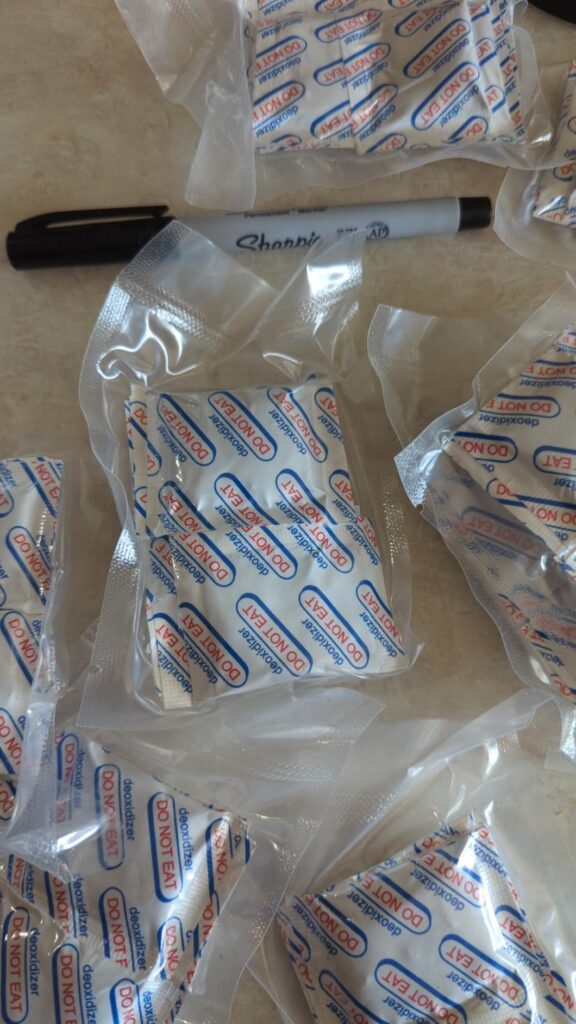
If you just toss your fresh space-food into cheap plastic baggies from your kitchen drawer, you are in for a brutal surprise.
Within a single month, your beautiful crunchy treats will suck moisture right out of the room. They turn into a soft, sticky, faded mess.
It drives me completely crazy. You end up wasting all that time, effort, and hard-earned cash.
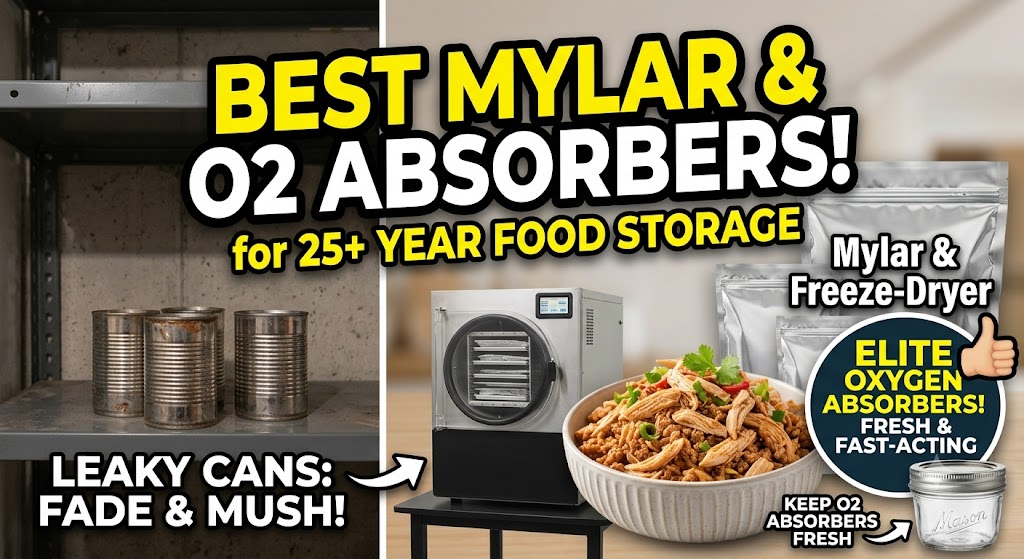
To get that legendary 25-year shelf life, you have to use high-quality Mylar bags and the right oxygen absorbers.
When I first started this hobby, I thought all foil bags were exactly the same. I bought the cheapest ones I could find online.
It was a total disaster.
I learned the hard way that skimping on packaging is a total death sentence for your food stash.
Let’s break down exactly how to pick the best gear so you can protect your pantry like an absolute pro.
The Science of the Foil Fortress
Why Plastic Fails Everyday
Alright, so why can’t we just use regular zip-top freezer bags? They look sealed, right?
The truth is, normal plastic is actually like a giant sieve under a microscope. Oxygen and humidity slowly tunnel straight through the plastic walls over time.
If you leave dry food in a plastic tub for a few months, it will go stale. Air always wins that battle.
Read also :Is Freeze Dried Fruit Healthy? The Truth About Nutrients and Sugar
The Mylar Shield
Mylar is completely different. It is actually a layer of heavy duty aluminum foil laminated between layers of food-safe plastic.
The metal layer acts like a solid brick wall. It stops 100% of the light, oxygen, and moisture from touching your food.
When you combine that foil wall with a small packet that eats up any trapped air, you freeze your food in time. Bacteria and mold literally cannot function.
The Storage Gear Face-Off: Finding the Sweet Spot
I like to test out my hobby gear thoroughly before I build a giant survival stash on my shelves.
Here is how different packaging methods compare when you are trying to protect your food long-term:
| Packaging Type | Thickness Metric | Oxygen Barrier | Light Protection | True Shelf Life | Best For |
| Standard Zip Baggie | Around 2-mil plastic | Total joke (Leaks bad) | Zero (Clear view) | 1 to 2 months max | Snacks for tomorrow |
| Cheap Online Mylar | Around 3 to 4-mil thin | Weak (Has pinholes) | Poor (Light leaks in) | 1 to 3 years max | Short-term pantry items |
| Heavy Duty Mylar | 7-Mil Thickness | Elite Shield | 100% Total Blackout | 20 to 25+ Years | Long-term survival protein |
| Glass Mason Jars | Thick glass wall | Elite Shield | Zero (Unless in dark closet) | 5 to 10 years | Daily snacks you eat often |
See the massive gap? If you want your food to outlast your current car, you need to buy 7-mil thick Mylar bags.
Thin bags feel crinkly and cheap. If you hold them up to a bright kitchen light, you can actually see tiny pinpricks of light shining through the foil layer.
If light can get in, oxygen can get in too. Thick bags give you a total blackout.
The 50-Bag Rock Solid Flop: My Most Costly Mistake
Look, I gotta tell you a quick story about a massive blunder I made so you don’t ruin a whole month of prep work like I did.
When I first started storing food, I bought a huge bulk pack of 300cc oxygen absorbers online. I opened the plastic factory pouch, took out two packets for my current trays, and then got distracted by a phone call.
I left the remaining 48 absorber packets sitting right on my open kitchen counter for about two hours.
The humidity in my room was around 60% degrees. I figured they react slowly, so it wouldn’t be a big deal.
Then, I packed up a massive 15-lb batch of freeze dried diced chicken breast. I dropped those exposed packets into fifty separate bags, heat-sealed the edges, and stacked them in my basement.
It was an absolute nightmare.
The Dead Pouch Fiasco
-
The Mistake: I left my oxygen absorbers sitting out in the open air for too long before sealing them in the bags.
-
The Reaction: Those tiny packets work fast. They sucked up all the oxygen and moisture right out of my kitchen air within forty-five minutes. They completely burned out before they ever touched my food.
-
The Result: About six months later, I opened a bag of chicken to make dinner. It smelled awful. The fat had gone totally rancid, and the meat had turned a gross gray color.
Every single one of those fifty bags was completely ruined. I had to throw fifteen pounds of premium chicken straight into the garbage. Total waste of eighty bucks and a ton of electricity.
The Mason Jar Hack
Learn from my pain. Oxygen absorbers are not toys. The second they touch the air, they start dying.
Always keep a clean, small glass mason jar sitting right next to your packing station.
Open your factory pack, pull out the 2 or 3 packets you need right that second, and dump the rest into the glass jar. Screw the metal lid down tight immediately.
This cuts off the air supply and freezes the absorbers so they stay perfectly fresh for your next batch.
Step-by-Step: The Foolproof Heat Sealing Protocol
Ready to lock down your food stash for the next two decades? Follow these exact steps to get a flawless, factory-grade seal every time.
-
Pick the Right Size Bag: Use small pint or quart bags for individual ingredients like berries or meat. Use large gallon bags for full family meals. Leaving too much empty air space in a giant bag wastes your absorbers.
-
Drop In the Right CC Power: CC stands for cubic centimeters of oxygen absorption. For a quart bag, use a 300cc absorber. For a giant gallon bag, use a 500cc or 600cc absorber. Over-killing the CC number never hurts the food.
-
Clean the Zip Track: Wipe the inside top edge of the Mylar bag with a clean, dry paper towel. If there is any fine fruit powder or meat dust sticking to the plastic rim, it will prevent the heat seal from melting together properly.
-
Crank the Heat: Grab a household hair straightener or a flat iron. Set the temperature dial right around 375°F degrees.
-
Clamp and Slide: Press the open edges of the Mylar bag together flat. Clamp the hot flat iron down on the very top edge. Hold it firmly for 3 to 4 seconds. Slide it smoothly across the top to create a clean, wide melted seam.
-
The Squeeze Test: Let the plastic cool down for ten seconds. Give the bag a gentle squeeze. If you see any air escaping or the seal pops open, your iron wasn’t hot enough. Seal it again right below the first line.
Secret Tricks to Help Your Absorbers Work Better
Once you master the basic seal, you can use these quick tips to make your storage process way more efficient.
The Zipper Pre-Seal Trick
Buy Mylar bags that feature a heavy duty zip-lock track built-in below the heat-seal zone.
When you load your food and drop in your absorber packet, zip the track shut immediately.
This buys you time. It stops the absorber from working too hard while you walk over to grab your flat iron to finish the permanent melt seal.
The Freeze-Before-Pack Method
If you are packing sharp, pointy foods like freeze dried green beans or pasta shards, they can poke tiny holes in the foil walls when compressed.
Put your dry food inside a clean, thin plastic baggie first, crush it down slightly, and then slide that entire packet inside your thick Mylar bag. The inner plastic acts as a buffer shield so the sharp corners don’t puncture your expensive foil fortress.
Frequently Asked Questions
Why isn’t my Mylar bag shrinking like a vacuum pack?
This trips up everyone! Oxygen absorbers only absorb oxygen, which makes up about 21% of our air. The remaining 79% is mostly nitrogen, which stays inside the bag.
Your bag shouldn’t look like a tightly wrapped brick. As long as the bag feels a tiny bit dimpled and the absorber packet gets hard like a rock, it worked perfectly.
Can I reuse oxygen absorbers?
No, honestly you can’t. They are strictly one-time-use items. Once the iron powder inside the packet finishes rusting and absorbing oxygen, it turns dead and useless. Throw them away the second you open a bag of food.
Where should I store my finished bags?
Keep your sealed Mylar pouches inside heavy, snap-top plastic storage totes in a cool, dark closet. Try to keep the room temperature under 70°F degrees. The plastic totes protect the fragile foil bags from getting chewed on by mice or scratched by stray tools in your garage.
The Verdict: Buy Once, Cry Once
At the end of the day, spending thousands of dollars on a high-tech freeze dry machine and then trying to save five bucks on cheap bags is total madness.
Investing in heavy duty 7-mil Mylar bags and fresh, fast-acting oxygen absorbers is the only way to guarantee your food safety for the long haul.
It gives you total peace of mind, stops the food waste in your kitchen today, and ensures your family has clean protein ready whenever life gets crazy out there.
I’m packing up a huge fresh double batch of cinnamon apple slices into my premium jar and pouch stash right now.
Trust me on this one. Grab the thick bags, use the mason jar trick for your absorbers, heat-seal those edges tight, and start building your stash. Your future self is gonna thank you big time.