


How to Freeze Dry Liquid Meals: Safe Methods for Soups and Stews
You spend hours chopping fresh vegetables. You simmer the broth slowly.
You sear the meat perfectly until everything tastes like pure heaven. It is easily my favorite way to cook during the winter months.
But cooking a tiny pot of soup is almost impossible. You always end up making a massive mountain of it.
You fill up every single Tupperware container you own. Your entire fridge gets completely hijacked by plastic bowls.
Then you eat it for three days straight. By day four, you are totally sick of it.
So you shove the rest into the back corner of your fridge. A week later, you open the lid, take a sniff, and boom.
It has turned into a sketchy, sour block of moldy sludge. It drives me completely crazy.
You end up throwing away amazing food and watching your hard-earned cash go straight into the garbage bin. Total waste of time.
A few months ago, I looked at my home freeze dryer and thought: Can I actually freeze dry full liquid meals like soups and stews?
Read also : Freeze Drying for Preppers: Building a 1-Year Food Supply at Home
I wanted to see if I could build a real emergency survival stash of my favorite home-cooked dinners. I asked around on some old food forums, and a bunch of people told me it was too tricky.
They said liquids would erupt, overflow, or just turn into a sticky, greasy mess inside the chamber.
But I am incredibly stubborn. I decided to run a full trial in my garage anyway.
The results were absolutely mind-blowing.
It turns out you totally can do it. In fact, liquid meals are now my absolute favorite thing to process.
When you strip all the water weight out of a rich stew, you are left with these beautiful, fragile blocks of pure flavor. They are totally shelf-stable.
They can sit in your pantry for up to 25 years without using a single watt of freezer electricity.
Let’s break down the exact, safe strategy to freeze dry liquid meals at home so you can build the ultimate long-term comfort food stash.
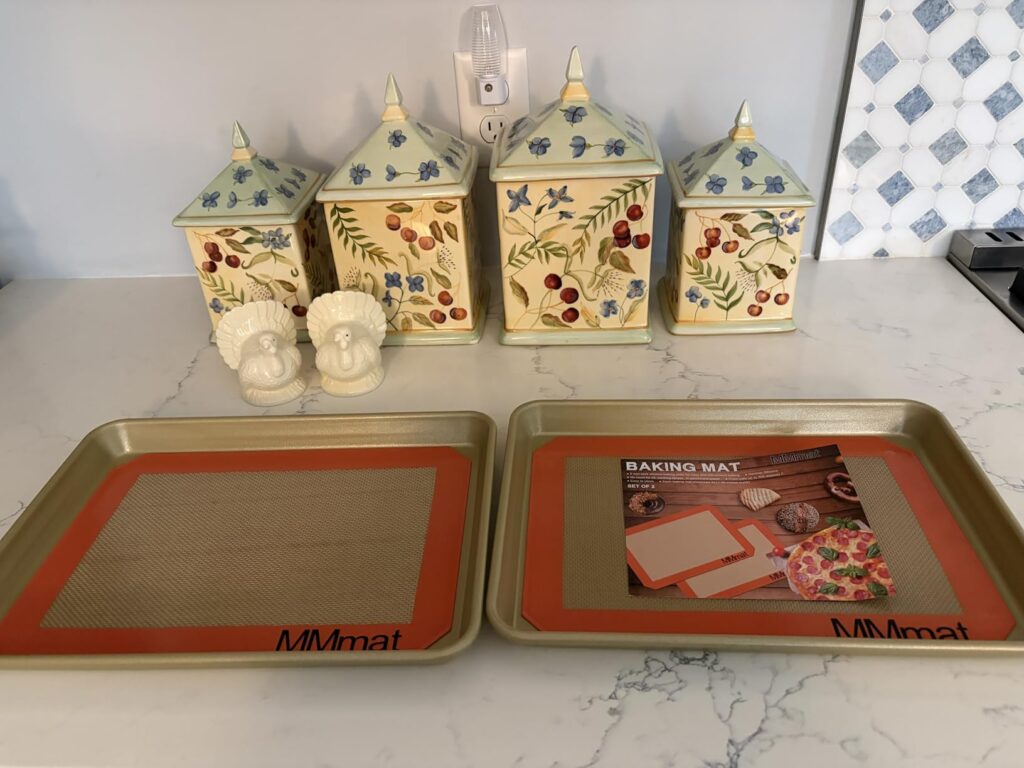
Silicone Baking Mats (Tray Liners)
The Science of Drying a Bowl of Liquid Comfort
How Extreme Cold Locks Down the Flavor
Alright, so how does a big bowl of wet, sloshy soup turn into a dry, lightweight brick without cooking it? It all comes down to a little thing called sublimation.
Normal dehydration uses hot air to bake the water out of your food. If you tried that with soup, you would just boil it down into a burnt, sticky paste.
A home freeze dryer goes the exact opposite route. It drops the internal chamber temperature all the way down to a freezing -40°F.
This freezes your liquid meals into rock-hard, solid sheets of ice instantly. It locks every single ingredient tightly in its place.
The Hidden Vapor Extraction
Once the soup is completely frozen solid, a powerful vacuum pump turns on and sucks all the air out of the drum.
The machine slowly warms the metal trays up just a tiny bit. Because of the deep vacuum pressure, the ice crystals turn straight into gas vapor without melting back into water first.
This process pulls out 99% of the moisture. Because the meal is never heated up high, the delicate meats, veggies, and spices keep their original shape, bright color, and fresh taste.
The Meal Prep Showdown: Leftovers vs. Pressure Canning vs. Freeze Dried
I like to analyze my food hobby projects thoroughly before I fill up my pantry shelves.
Here is exactly how home freeze dried liquid meals stack up against the traditional storage methods you are used to using:
| Feature / Metric | Regular Fridge Leftovers | Traditional Pressure Canning | DIY Freeze Dried Liquid Meals |
| Total Water Weight | High (Around 85% wet liquid) | High (Packed in heavy water) | Less than 1% moisture left |
| Storage Temperature | Requires strict refrigeration | Shelf-stable at room temp | Totally shelf-stable at room temp |
| The Texture Profile | Gets soggy and mushy fast | Very soft, overcooked, and soggy | Light, porous, snaps like a cracker |
| Average Shelf Life | Maybe 3 to 5 days max | About 1 to 2 years in glass jars | Up to 25 years if sealed in Mylar |
| Weight Factor | Heavy and bulky to move | Extremely heavy and fragile | Light as air (Weightless pouch) |
See what I mean? The freeze dried version completely crushes everything else.
You get that authentic, rich homemade taste back the second you add hot water.
Plus, you can take a lightweight pouch of your favorite beef stew camping with you, throw it in your backpack, and have a gourmet hot dinner on a mountain peak without carrying heavy cans or ice coolers.
The 3-Gallon Volcanic Chili Eruption: My Most Costly Field Mistake
Look, I gotta tell you a quick story about a massive blunder I made during my first liquid meal trial so you don’t ruin your machine like I did.
I cooked up a massive, beautiful batch of thick venison chili. It was loaded with beans, ground meat, and a rich tomato broth. I had about 3 gallons of liquid total.
I got super excited, took the warm pot into my garage, and poured the liquid chili straight onto my bare metal freeze dryer trays while they were sitting inside the machine rack.
I filled the trays right up to the absolute brim. I didn’t pre-freeze the chili because I thought the machine freeze cycle would handle it easily.
It was an absolute disaster.
The Sticky Red Lava Flow
-
The Mistake: I put warm liquid straight into the machine chamber without pre-freezing, and I overfilled the trays big time.
-
The Reaction: When the machine finished its freeze cycle and turned on the heavy vacuum pump, the chili wasn’t frozen solid all the way through to the core. The sudden drop in chamber pressure caused the unfrozen liquid at the bottom to violently boil and expand.
-
The Damage: A massive wave of dark, sticky red chili foam exploded off the trays. It flooded the entire inside of the drum, got into the vacuum line sensor, and coated my 125°F heating elements in a burnt crust.
It took me over 5 hours of scrubbing the inner chamber with hot distilled water and micro-fiber cloths just to clean up the mess. The smell of burnt onions and chili stuck around for weeks.
I had to throw all twelve pounds of chili straight into the trash bin. Total waste of forty bucks and a whole afternoon of work.
The Golden Pre-Freeze Rule
Learn from my pain. Never put unfrozen liquid meals straight into your freeze dryer.
You must always line your trays with high-quality silicone baking mats to prevent the food from sticking to the bare aluminum. Then, pour the liquid onto the trays and put those trays in your kitchen deep freezer at 0°F for at least 12 hours first.
Getting the meal rock-solid frozen before the vacuum turns on keeps it from exploding under pressure. Also, leave at least 0.5 inches of headspace at the top of the tray so you don’t spill it when walking to the machine.
Step-by-Step: The Safe Liquid Meal Protocol
Ready to make your own flawless batch? Follow these exact steps to get perfect, shelf-stable meal bricks every single time.
-
Cool the Meal Completely: Never put hot soup onto your trays. Let your freshly cooked soup or stew cool down completely on your kitchen counter. Then, pop it in the fridge for 3 hours to get it cold.
-
Watch the Fat Content: This is rule number one for food safety. High fat or oil does not freeze dry well because oil doesn’t freeze into an ice crystal. Skim off any excess grease or fat from the top of your soup before loading. Lean stews last way longer on the shelf.
-
Load and Level: Place your metal trays lined with silicone mats inside your kitchen freezer first. Then, use a small pitcher to pour the cold soup onto the trays. Keeping the trays level is huge so the liquid freezes in an even, flat sheet.
-
The Deep Freeze: Let the trays sit in the freezer for a solid 12 to 15 hours until they are completely solid blocks of ice.
-
Set Custom Machine Controls: Slide the frozen trays quickly into your freeze dryer. Do not use automatic fruit settings. Set a custom profile with a final dry temperature max of 115°F. Keeping the heat low prevents the delicate ingredients from scorching.
-
Run a Long Cycle: Liquids hold onto water tightly. Let the machine run for a solid 32 to 34 hours.
-
The Temperature Test: When the buzzer goes off, pull a tray out. Touch the center of the meal brick with the back of your hand. If it feels cold anywhere, it means there is hidden ice left inside. Put it back in for 3 more hours of dry time. It must feel completely dry and room temperature throughout.
How to Rehydrate and Feast
When you are ready to eat your stored meal months or years down the road, getting it back to its original delicious state is incredibly simple. You just gotta bring the water back into the mix.
-
Weigh Your Trays (The Pro Hack): If you wanna be a total genius, weigh your trays before they go into the machine, and weigh them when they come out. The difference in weight is exactly how many lbs or ounces of water you need to add back!
-
The Boiling Water Dump: Place your dry meal brick into a large bowl. Pour boiling water over the top slowly. Use just enough water to cover the food.
-
The Cover and Wait: Cover the bowl with a plate or a lid to trap the steam. Let it sit on your counter for 5 to 8 minutes. Give it a gentle stir halfway through. The porous structure will suck up the hot water like a sponge, returning the meat and veggies to perfect, juicy tenderness.
How to Pack Your Bricks for a 25-Year Shelf Life
Freeze dried liquid meals act like a giant, thirsty sponge. The second they hit the open air in your kitchen, they start aggressively pulling humidity right out of the room.
If you leave your meal bricks sitting out on a damp day, they will absorb water, go soft, and spoil within a couple of days. To get that legendary long shelf life, you gotta package them right immediately.
-
Break Into Chunks: Carefully break your dry soup sheets into smaller chunks that can easily fit inside your storage pouches.
-
Get Heavy Mylar Bags: Do not use regular plastic zip-top storage bags. Air leaks right through them. Use thick, 7-mil Mylar pouches that completely block out all light and oxygen.
-
Add an Oxygen Absorber: Drop one 300cc oxygen absorber packet into the bottom of a gallon-sized Mylar bag before putting your food inside. This tiny packet sucks out any leftover air inside the bag so the food stays factory-fresh.
-
Heat Seal the Top: Use a household hair straightener to clamp down firmly on the open edge of the Mylar bag for four seconds. This melts the plastic together into a permanent, airtight seal. Stored in a cool, dark pantry under 70°F, your dinner is safe for decades.
Frequently Asked Questions
Can you freeze dry soups that contain dairy or cream?
You can, but fair warning: high-fat cream soups will not have a 25-year shelf life. The fats in dairy can go rancid over time. If you freeze dry a creamy potato soup, it will stay good for about 1 to 2 years on a shelf. Stick to tomato, vegetable, or clear broth-based soups for long-term survival storage.
What happens to noodles and rice in the machine?
They freeze dry absolutely beautifully! Noodles and rice absorb the liquid during cooking, so when they go through the machine, they turn into ultra-light, crunchy little bites. When you rehydrate the soup later, the noodles plump back up perfectly without getting mushy or slimy.
Can you freeze dry thick cream stews?
Thick stews work awesome, but make sure you cut any chunks of meat or potatoes into small pieces under 0.5 inches thick. If your beef chunks are too huge, the vacuum pump won’t be able to pull the moisture out of the very center of the meat, which can cause it to spoil later.
The Verdict: Build Your Ultimate Comfort Food Bank
At the end of the day, letting your hard work and delicious homemade meals rot in the back of your refrigerator is super frustrating and wastes a ton of cash.
But learning how to freeze dry liquid meals completely solves the problem. It stops the food waste, saves you a massive amount of freezer space, and gives your family a spectacular, high-comfort survival pantry that stays perfect for years.
I’m packing up a massive fresh double batch of chicken noodle soup and vegetable stew right now to slide onto my basement survival shelves.
Trust me on this one. Freeze your liquid trays rock solid first, keep that machine drying temp under 115°F, seal them tight with an absorber, and give it a shot this weekend. Your long-term meal prep game is never gonna be the same.