Difference between freeze drying and dehydrating : If you’ve spent more than five minutes looking into disaster preparedness or “prepping” in the USA, you’ve hit the big wall: the dehydrated vs freeze dried debate. You see the huge buckets at Costco or survival sites in 2026, and they all promise the same thing—”Stay fed when the world goes dark.”
But let’s be real for a second. Building a pantry is an investment. A big one. You don’t want to drop three grand on a basement full of food only to find out it tastes like salty drywall when you actually need to feed your kids. I’ve been through the “trial and error” phase so you don’t have to.
Here is the honest, no-sugar-coated truth about what belongs in your emergency stash.
Is Freeze Drying the Same as Dehydrating? (Spoiler: Not Even Close)
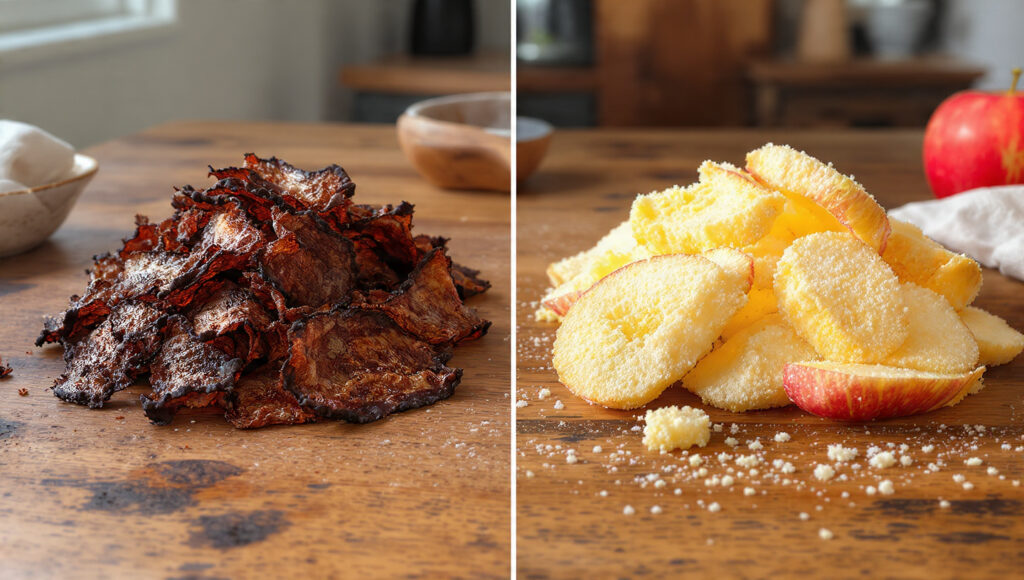
The most common question I get is: “is freeze drying the same as dehydrating?” Look, they both take out water, but the way they do it is worlds apart. Dehydrating is the old-school way. It’s what your grandma did with her garden surplus. It uses heat and airflow to cook the moisture out. It’s cheap, it’s effective for some things, but it fundamentally changes the food. It shrinks it, toughens it, and turns it into something else entirely.
Freeze-drying is space-age stuff. Instead of “cooking” the water out, you freeze the food solid. Then, a heavy-duty vacuum pulls the ice out as a gas (sublimation). The food never melts. Because it never gets hot, it doesn’t shrink. It stays the exact same size and shape, but it becomes a light, crunchy sponge.
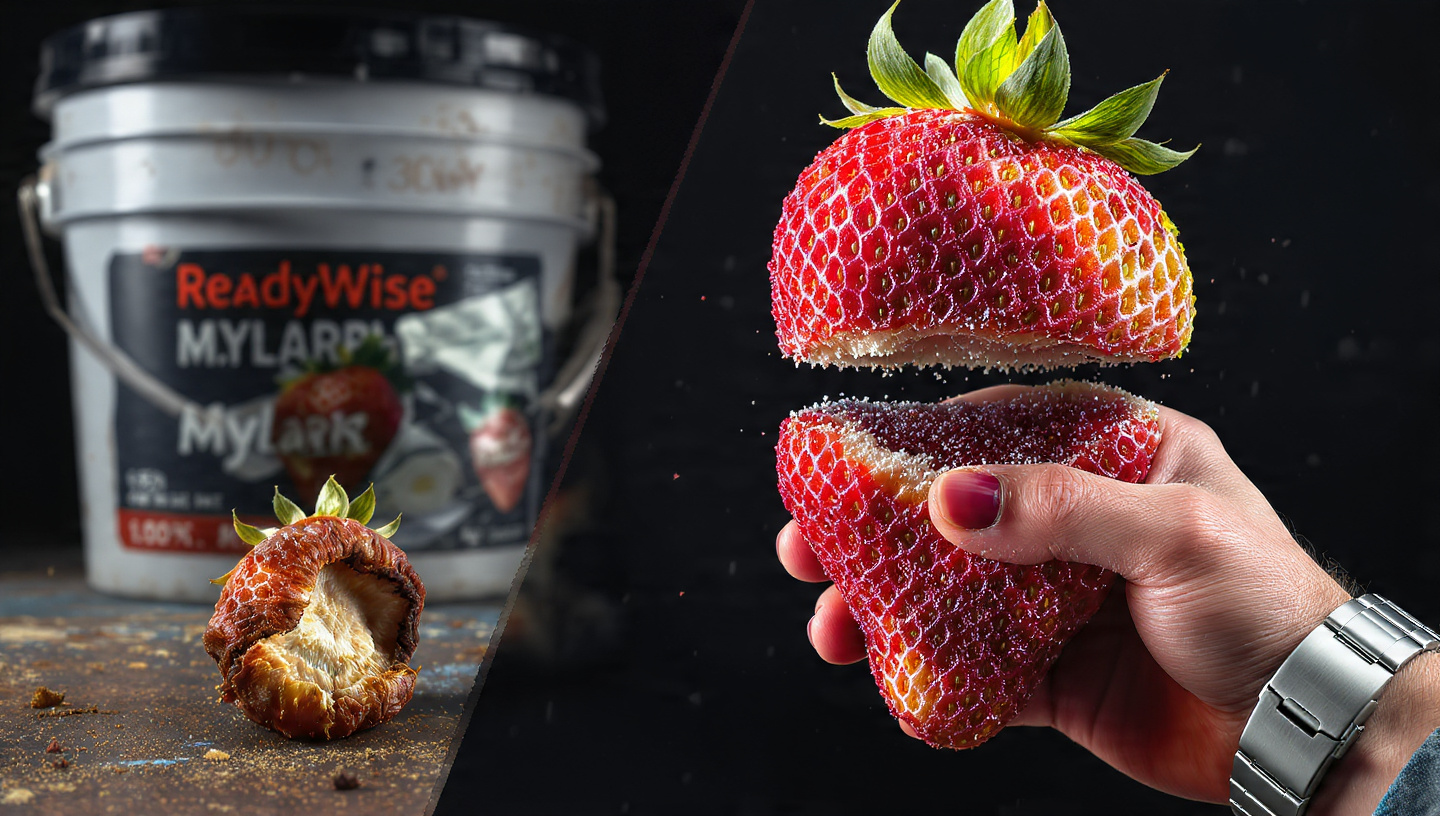
When you see the difference between freeze drying and dehydrating in person, it’s wild. One looks like a shriveled raisin; the other looks like a piece of fresh fruit that just happens to be crunchy.
The Shelf Life Reality Check
If the power grid goes down or a supply chain hits a wall, you need food that is ready to go—even if it’s been sitting there for a decade.
-
Dehydrated Food: Most home-dried stuff lasts maybe 1 to 5 years. Professional cans might give you 10. Why? Because it still has about 10% moisture left. That’s enough for a party of bacteria to eventually start growing.
-
Freeze-Dried Food: This is the “set it and forget it” king. It removes 99% of the water. With zero moisture, nothing can grow. We are talking 25 to 30 years of shelf life.
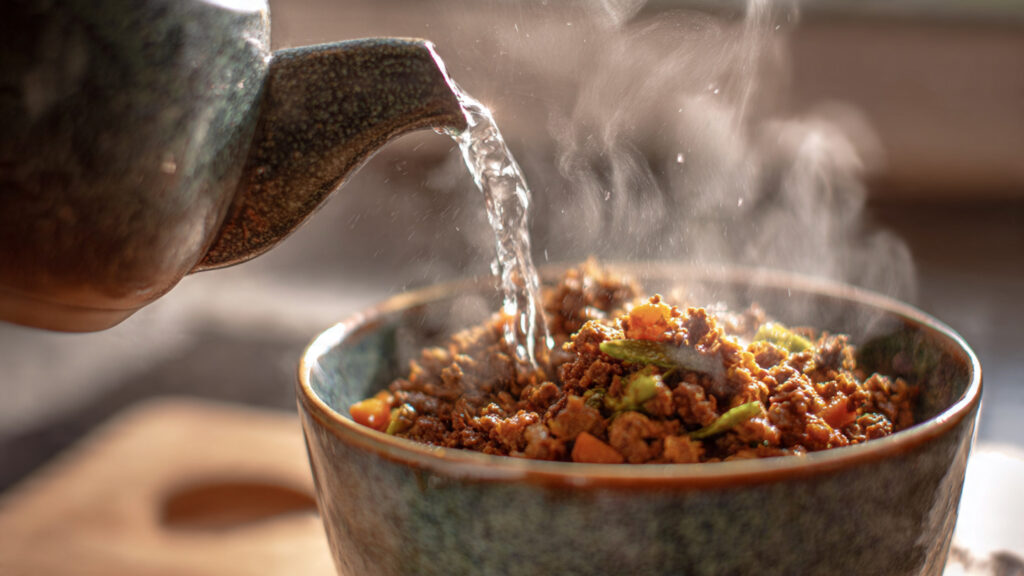
My Experience: I once opened a 10-year-old bag of home-dehydrated apples. They were brown, leathery, and smelled… off. I threw them out. Then I opened a 10-year-old can of freeze-dried beef. Tossed it in some warm water, and five minutes later, I had actual ground beef that tasted like it was from the grocery store. That’s the difference.
Nutrition: Don’t Starve While Your Stomach Is Full
In a real emergency, calories are just half the battle. You need vitamins so your immune system doesn’t bail on you.
Heat is the enemy of nutrition. Since dehydrating uses heat, it can kill off about 40% of the vitamins. Freeze-drying stays cold throughout the process, preserving 97% of the nutrients. If you’re living off your pantry for a month, your body will definitely feel the difference between “dead” food and “preserved” food.
The “I Need It Now” Shortcut
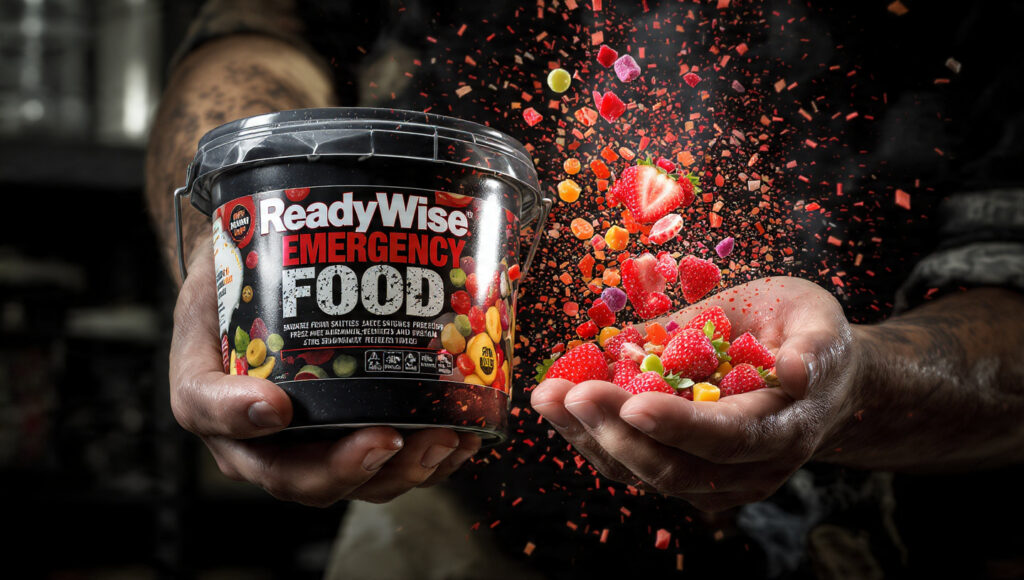
Look, not everyone has the time or thousands of dollars to buy a Harvest Right machine and do this themselves. If you want to get your 30-day supply done today, just go with ReadyWise Emergency Food Buckets on Amazon. They are a huge favorite in the US because they’ve mastered the freeze-drying process. The meals actually taste like real food, they weigh almost nothing, and they’ll sit in your closet for 25 years without breaking a sweat.
The “Eat Test”: Taste and Texture
Let’s talk about “Appetite Fatigue.” It’s a real thing. If you’re stuck eating rubbery, chewy food for two weeks, your morale is going to tank.
-
Dehydrated: Think jerky. Think raisins. Everything is a bit tough. If you try to rehydrate a dehydrated carrot, it stays “bready” or chewy. It never truly goes back to being a carrot.
-
Freeze-Dried: Because the structure of the food wasn’t crushed by heat, it acts like a sponge. It sucks up water instantly. Freeze-dried strawberries are so good my kids literally steal them from the pantry and eat them like candy. And freeze-dried coffee? It’s the only way to get a decent cup when the grid is down.
The Catch: Let’s Talk About Your Wallet
If freeze-drying is so much better, why doesn’t everyone do it? One word: Money.
Freeze-drying is expensive as hell. The machines are pricey, and they suck a lot of electricity. That’s why a small bag of freeze-dried fruit costs $8 while the dehydrated version is $3.
If you are on a budget, dehydration is your friend. You can buy a $60 dehydrator and start preserving your garden harvest today. It’s perfect for the “short-term” stuff you plan to eat within the next year or two. But for the “end of the world” stash? You’ve gotta have some freeze-dried in there.
How to Build a “Balanced” Pantry
In my house, I don’t pick just one. I use both. Here is how I divide it up:
-
Freeze-Dried (The Survival Layer): This is for the stuff I don’t plan on touching unless things get ugly. This includes meats, dairy (eggs/cheese), and full meals like lasagna or beef stew. This stays in the deep storage.
-
Dehydrated (The Rotation Layer): This is for my everyday cooking. Dried onions, peppers, apple slices for the kids, and beef jerky. I rotate these every year so they stay fresh.
Don’t Screw Up the Storage
I’ve seen guys lose a fortune in food because they got lazy. It doesn’t matter if it’s freeze-dried or dehydrated; if you don’t fight the “Big Three,” your food is trash: Heat, Light, and Oxygen.
-
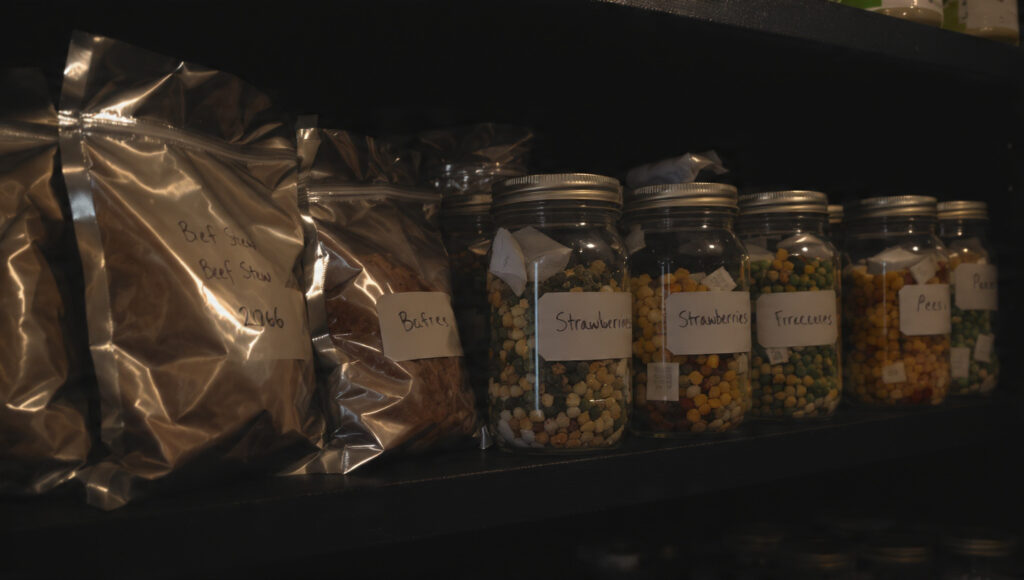
Mylar Bags: Forget Ziplocs. They let air in. Use thick Mylar bags. They are the only thing that really blocks the light and air long-term.
-
Oxygen Absorbers: These are non-negotiable. Drop one in every bag. It sucks out the air that makes fats go rancid.
-
Get it Out of the Garage: A hot US summer in a garage will kill your shelf life in six months. Keep your stash in a cool, dark basement or a closet inside the house.
Final Verdict
When asking Freeze Dried vs. Dehydrated: Which Is Better for Your Emergency Pantry?, here is the bottom line:
If you want “insurance” in a bag—something that will provide perfect nutrition and a great taste 25 years from now—Freeze-Dried is the undisputed king.
But if you want a cheap, easy way to save money and preserve your own garden veggies for next winter, Dehydration is a solid tool to have in your kit.
Start small. Buy a few extra bags every time you get paid. The best time to build a pantry was yesterday; the second best time is right now.
Been using 777mango and it always good. The selection of games always has something new to enjoy. If you’re searching for decent fun, 777mango
Bet364app, huh? I download this and test this game! This is my only betting app. Give it a try atbet364app and you never regret.
Команда профессионалов произведёт замеры и подберёт оптимальную комплектацию с учётом климатических условий и архитектуры здания.
Компания «Пластик» предлагает [url=https://spb.oknafactoria.in/]купить пластиковые окна[/url] отличного качества с гарантией и профессиональным монтажом по Москве.
Если вы хотите купить пластиковые окна хорошего качества в Москве, в компании «Пластик» найдёте оптимальные решения для вашего дома.
Caliente MX es mi plataforma de apuestas favorita. Fácil de usar, con buenas opciones y siempre cumpliendo con los pagos. 100% recomendada! caliente mx
Если тема SEO вам актуальна, советую глянуть [url=https://seoblog360.ru/]SEO-блог для начинающих[/url] — там есть гайдов по выбору ниши, контенту и продвижению.
Если вы хотите эффективно донести информацию до клиента, и именно поэтому тема создания видеопрезентаций становится всё актуальнее,
Что же такое видеопрезентация на самом деле? Это способ за считанные секунды объяснить суть вашего предложения, который помогает простым языком зацепить внимание аудитории.
Если вам нужны примеры и четкое определение:
Информация- https://baw-rus.ru/
Надеюсь, информация поможет вам в развитии ваших проектов!
I started writing down one thing at the end of every day — what I actually managed to do. Not a to-do list, not plans. Just one small win. It’s surprising how quickly it shifts your perspective.
Открой для себя азарт и выигрыши вместе с [url=https://7k2078.buzz/]казино 7к зеркало[/url].
Умение контролировать бюджет и выбирать правильные ставки позволяет дольше оставаться в игре.
В Москве существует множество автосервисов, специализирующихся на Тойота. В этом автосервисе вы найдете опытных техников, которые знают все о Тойота.
Если вам нужен качественный и надежный [url=https://servis-toyota-moskva.ru/remont-toyota-v-moskve/] автосервис Тойота[/url], мы предлагаем широкий спектр услуг для вашего автомобиля.
Ремонт и обслуживание Тойота требуют от специалистов глубоких знаний. Мастера сервиса постоянно повышают свою квалификацию для качественного обслуживания.
В автосервисе установлено современное оборудование. Наличие современного оборудования существенно упрощает процесс диагностики.
Вы получите качественное и профессиональное обслуживание вашего автомобиля. Наши клиенты всегда остаются довольны результатом работ.
Игроки получают приветственные бонусы и акции после регистрации.
Посетите [url=https://casino7k133.buzz/]7к казино скачать на андроид[/url] для быстрого доступа к играм и бонусам.
7к казино официальный сайт уделяет внимание безопасности платежей и личных данных клиентов.
Вся необходимая информация о текущих предложениях доступна в разделе промо на сайте.
Функции ограничения позволяют пользователям регулировать финансовые и временные параметры игры.
Участие в турнирах предполагает борьбу за место в таблице лидеров и получение призов.