
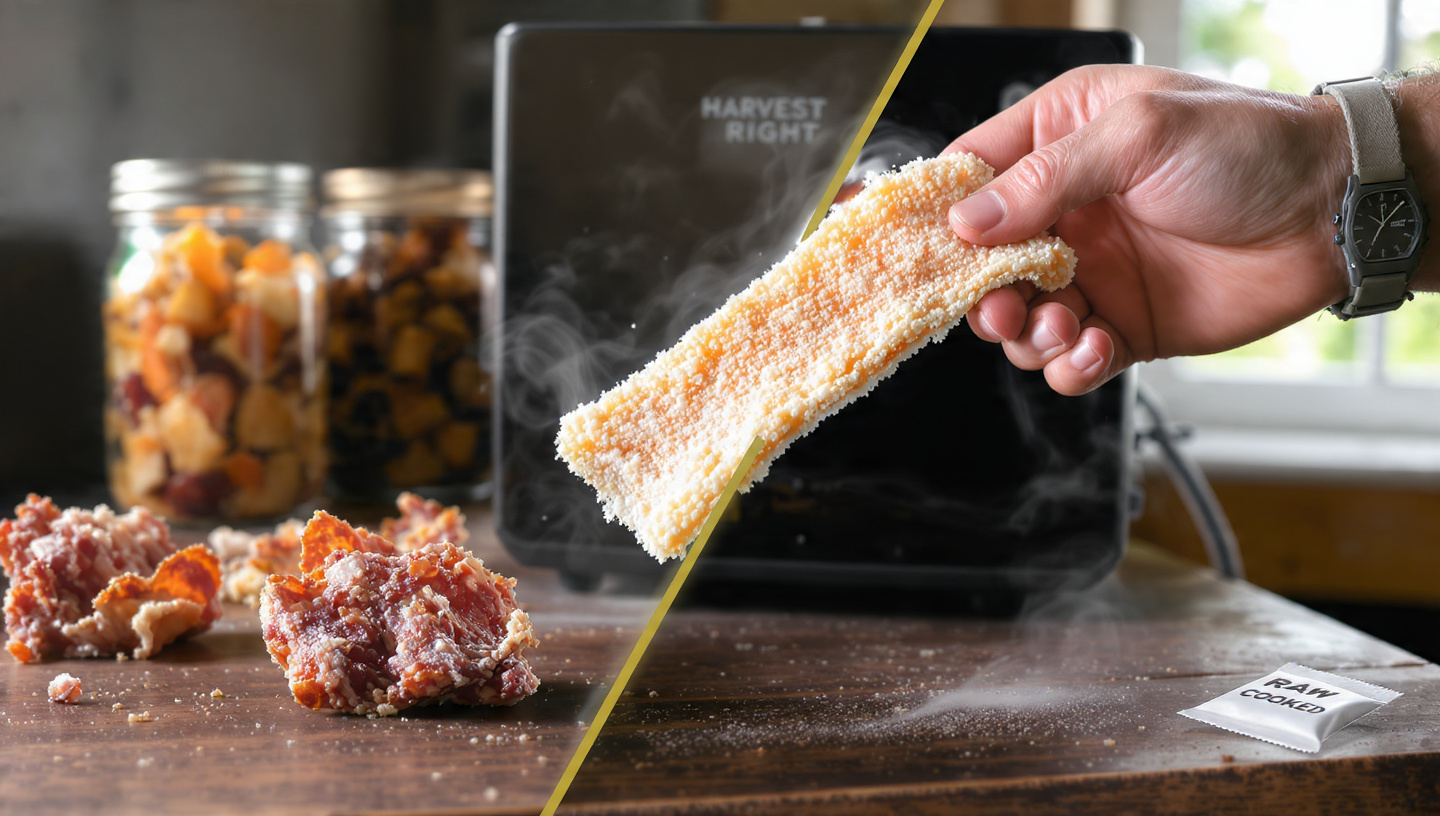
A Beginner’s Guide to Freeze Drying Meat : If you are building an emergency stash in the USA today, you know that freeze dried meats are the most expensive items in those pre-made buckets. That’s why so many of us are buying our own machines—to save money by processing our own protein.
But meat is different from apples. If you mess up an apple, it just tastes sour. If you mess up meat, you’re dealing with bacteria, spoilage, and a wasted investment. The big debate is whether to go raw or cooked. Let’s break it down like we’re hanging out at a BBQ.
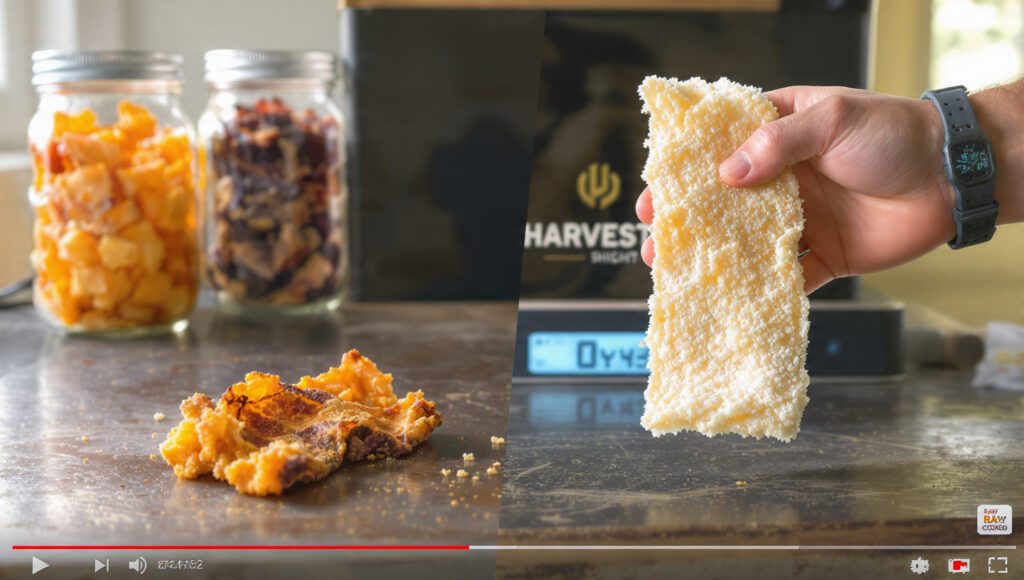
Raw vs. Cooked: Which One Wins?
The “right” way depends on how you plan to use it. There isn’t one perfect answer, but there is a perfect answer for your kitchen.
The Case for Raw Meat
When you are freeze drying meats raw, you are basically hitting the “pause” button on a fresh cut of steak or chicken.
-
The Pros: When you rehydrate it, it’s exactly like fresh meat. You can season it and grill it like a normal Saturday night steak.
-
The Cons: You must cook it after rehydrating. You also have to be extremely careful with cross-contamination in your machine.
The Case for Cooked Meat
This is the “fast food” version of prepping. You cook your beef or chicken first, then toss it in the freeze-dryer.
-
The Pros: It’s safer. When you’re ready to eat, you just add hot water and it’s a meal in 5 minutes. No stove or grill required.
-
The Cons: Overcooked meat can get a bit “rubbery” or “woody” once it’s freeze-dried.
My Experience: I prefer freeze-drying cooked ground beef for quick tacos or chili, but for steaks and chicken breasts, I always go raw. There’s nothing like the smell of a “fresh” grilled steak when you’re in the middle of a power outage.
How to Freeze Dry Meats: The Pro Process
Whether you go raw or cooked, the steps are pretty much the same. If you follow these, you won’t end up with a tray of expensive trash.
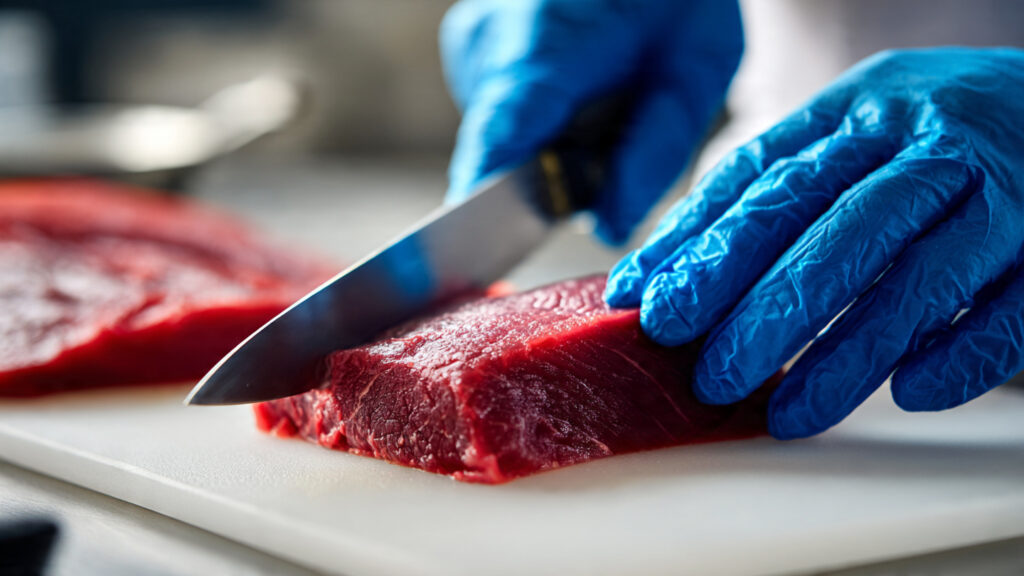
1. Trim the Fat (Seriously, All of It)
Fat is the enemy of freeze dried food meat. Fat does not freeze-dry. It stays oily, and that oil will go rancid and spoil your entire bag in a few months.
-
The Trick: Choose the leanest cuts possible. If you’re doing beef, go for Eye of Round or London Broil. If you’re doing chicken, stick to breasts. Trim every bit of white fat you can see.
2. Pre-Freeze is Your Friend
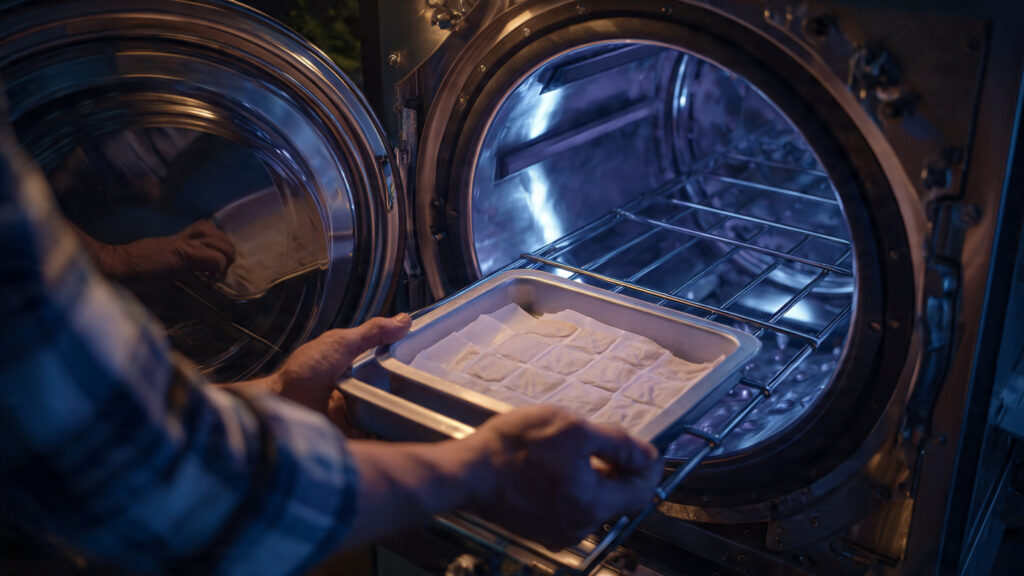
Meat takes a long time to freeze. To save your machine’s motor (and your electricity bill), put your meat on the trays and stick them in your deep freezer for 24 hours before putting them in the freeze-dryer. It cuts hours off the cycle.
3. The Slicing Secret
Don’t throw a whole 2-inch thick steak in there. It won’t dry all the way through. Slice your meat into 1/2 inch strips or small cubes. The more surface area, the better the “puff” and the faster it dries.
Skip the Prep Work?
If the thought of handling raw meat for 24 hours sounds like too much, you can always buy professionally processed Mountain House Cooked Diced Chicken on Amazon. It’s the gold standard in the USA for freeze dried meats. It lasts 30 years and takes the “guessing” out of the equation.
Dehydrated Meat vs. Freeze Dried Meat
I get people asking me all the time: “Can’t I just make jerky?” Sure, you can make dehydrated meat, but jerky isn’t a long-term survival food. Jerky still has about 10-15% moisture and a lot of salt/sugar to keep it stable. It lasts maybe a year.
Freeze drying meats removes 99% of the water. This is what allows that 25-year shelf life. Jerky is a snack; freeze-dried meat is a staple. If you want a meal that tastes like Sunday dinner, you need the freeze-dryer.
Safe Storage: The 25-Year Rule
If you are going to the trouble of freeze drying meats, don’t screw it up at the end.
-
Mylar is non-negotiable: Use the thickest 7-mil bags you can find.
-
Oxygen Absorbers: Use a higher CC (cubic centimeter) for meat. I usually use a 300cc or 500cc absorber for a gallon bag of beef.
-
Labeling: Mark “RAW” or “COOKED” in big red letters. You do NOT want to accidentally eat raw rehydrated chicken because you forgot which was which.
How to Rehydrate Like a Pro
Don’t just drown the meat in water.
-
Place the meat in a bowl.
-
Add warm water (or broth for extra flavor) a little at a time.
-
Let it sit for 5 to 10 minutes.
-
Pat it dry with a paper towel before cooking (if it’s raw).
Final Verdict
When it comes to freeze dried meats, don’t be afraid to experiment. Start with something easy like cooked ground beef or diced ham. Once you see how easy it is to have “instant meat” on your shelf, you’ll never go back to just storing beans and rice.
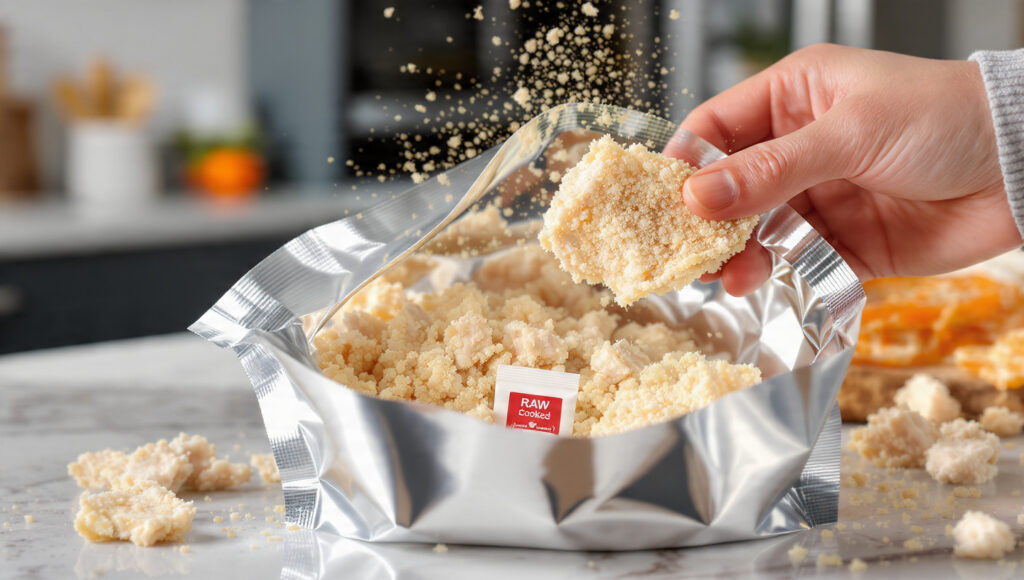
Protein is the backbone of your pantry. Treat it right, and it’ll be there for you 20 years from now.
This is very informative content.
I found this article helpful.